

How to Prevent HVAC Breakdowns During Cold Snaps and Snowstorms
Winter in the Carolinas doesn’t always bring heavy snow — but when it does, it often comes with sudden temperature drops, icy conditions, and power disruptions that put HVAC systems to the test.
February is the heart of winter, and it’s also the month when HVAC failures are most likely to happen. Systems are already under strain, energy demand is high, and one small issue can turn into a no-heat emergency at the worst possible time.
At R&B Climate, we help homeowners in Fort Mill, Indian Trail, and surrounding areas protect their comfort by focusing on prevention, preparedness, and knowing what to do if your system fails during winter weather.
Why HVAC Systems Fail Most Often in February
By February, your heating system has likely been running for months without a break. Even well-maintained systems experience wear during extended cold periods.
Common causes of winter HVAC failures include:
- Dirty or clogged air filters restricting airflow
- Electrical components stressed by frequent cycling
- Heat pumps struggling during sudden cold snaps
- Frozen or obstructed outdoor units
- Thermostat or sensor malfunctions
- Deferred maintenance from earlier in the season
Cold snaps and snowstorms amplify these issues, making February a critical time for preventative care.
How to Prevent HVAC Breakdowns Before a Cold Snap
The best way to “love your home” in winter is to reduce the chances of needing emergency service at all.

1. Schedule Mid-Winter Preventative Maintenance
A winter maintenance visit helps:
- Ensure safe electrical operation
- Identify stressed or failing components
- Optimize heat pump or furnace performance
- Catch issues before extreme weather hits
This is one of the most effective ways to prevent breakdowns during snowstorms or freezing temperatures.
2. Replace Air Filters More Frequently in Winter
During winter, HVAC systems run longer cycles. Dirty filters force systems to work harder and can lead to overheating or shutdowns.
Tip:
Check filters monthly during winter and replace them if they appear dirty — especially in homes with pets or allergy sufferers.
3. Protect Your Outdoor Unit Before Snow or Ice
Before winter weather:
- Clear leaves and debris from around the unit
- Maintain at least 2 feet of clearance
- Avoid covering units with non-breathable materials
- Gently remove snow or ice buildup after storms
Blocked airflow is a common cause of winter system failure.
What to Do If Your HVAC System Stops Working During a Snowstorm
Even with the best preparation, emergencies can happen. Knowing what to do before panic sets in can make a big difference.
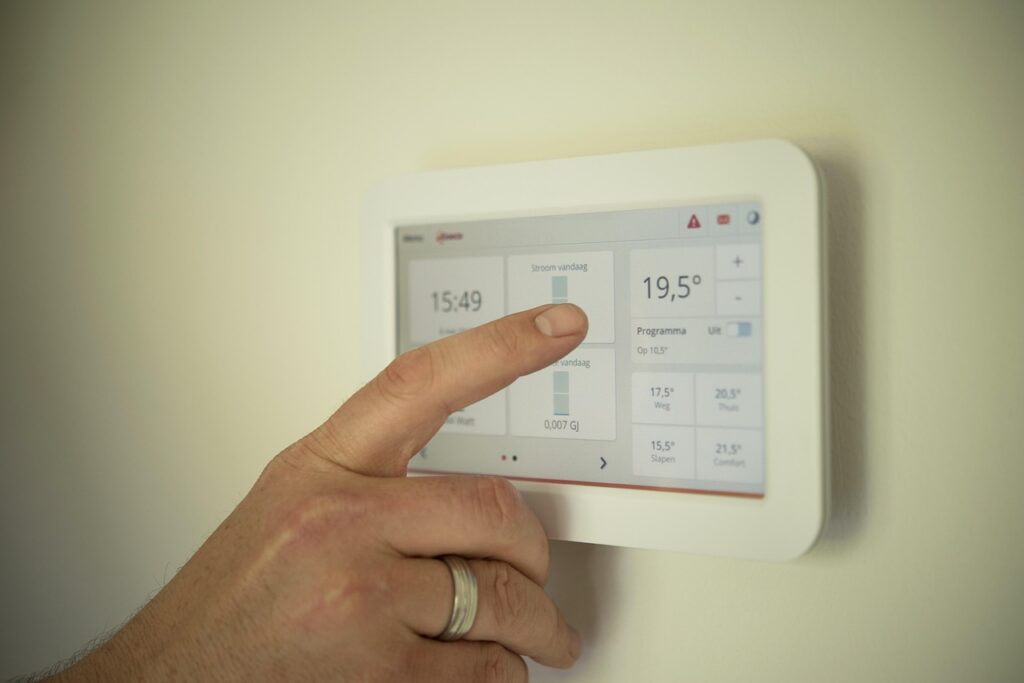
Step 1: Check Your Thermostat
- Make sure it’s set to “heat”
- Replace batteries if applicable
- Increase the temperature a few degrees to test response
Step 2: Check the Air Filter
A severely clogged filter can cause a system to shut down as a safety measure.
If the filter is dirty:
- Replace it
- Wait 10–15 minutes to see if the system resets

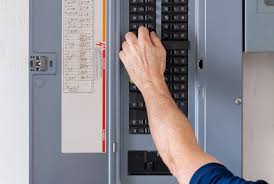
Step 3: Inspect Breakers and Power Supply
Snowstorms and ice can cause power interruptions.
- Check your breaker panel
- Look for tripped breakers related to HVAC equipment
- Reset only once — repeated tripping signals a bigger issue
Step 4: Call a Professional HVAC Company
If your system still isn’t producing heat, it’s time to call for professional help.
Do not attempt DIY electrical or mechanical repairs.
This can create safety hazards and cause more damage.
Indoor Air Quality Matters Even More During Winter Storms
During snow or ice events, homes stay sealed for longer periods — trapping indoor pollutants.
Improving indoor air quality (IAQ) during winter helps protect both comfort and health.
Helpful IAQ Upgrades Include:
- High-efficiency air filters to reduce airborne particles
- UV germicidal lights to help neutralize bacteria and mold
- Whole-house ventilation systems to introduce fresh air without losing heat
Cleaner air also helps HVAC systems operate more efficiently under heavy use.
Heat Pumps and Cold Weather: What Homeowners Should Know
Heat pumps are common in Fort Mill and Indian Trail homes and work well in our climate — but sudden cold snaps can push them harder than usual.
Signs your heat pump may need service:
- System running constantly
- Lukewarm air during cold nights
- Ice buildup that doesn’t clear
- Rising energy bills
A mid-winter inspection ensures your heat pump can handle temperature swings safely and efficiently.
Protect Your Home with Help from R&B Climate
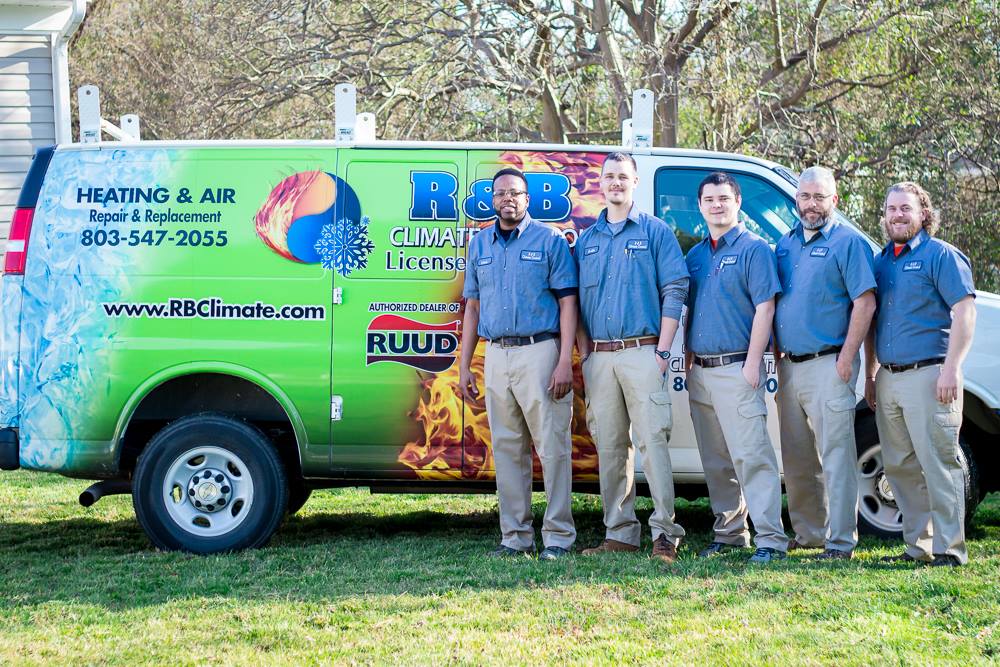
At R&B Climate, we believe taking care of your HVAC system is one of the best ways to take care of your home. Our team proudly serves Fort Mill, Indian Trail, and surrounding communities with reliable winter HVAC maintenance, emergency prevention, and indoor air quality solutions.
Schedule your winter HVAC service today and enjoy peace of mind through the rest of winter.